The short answer
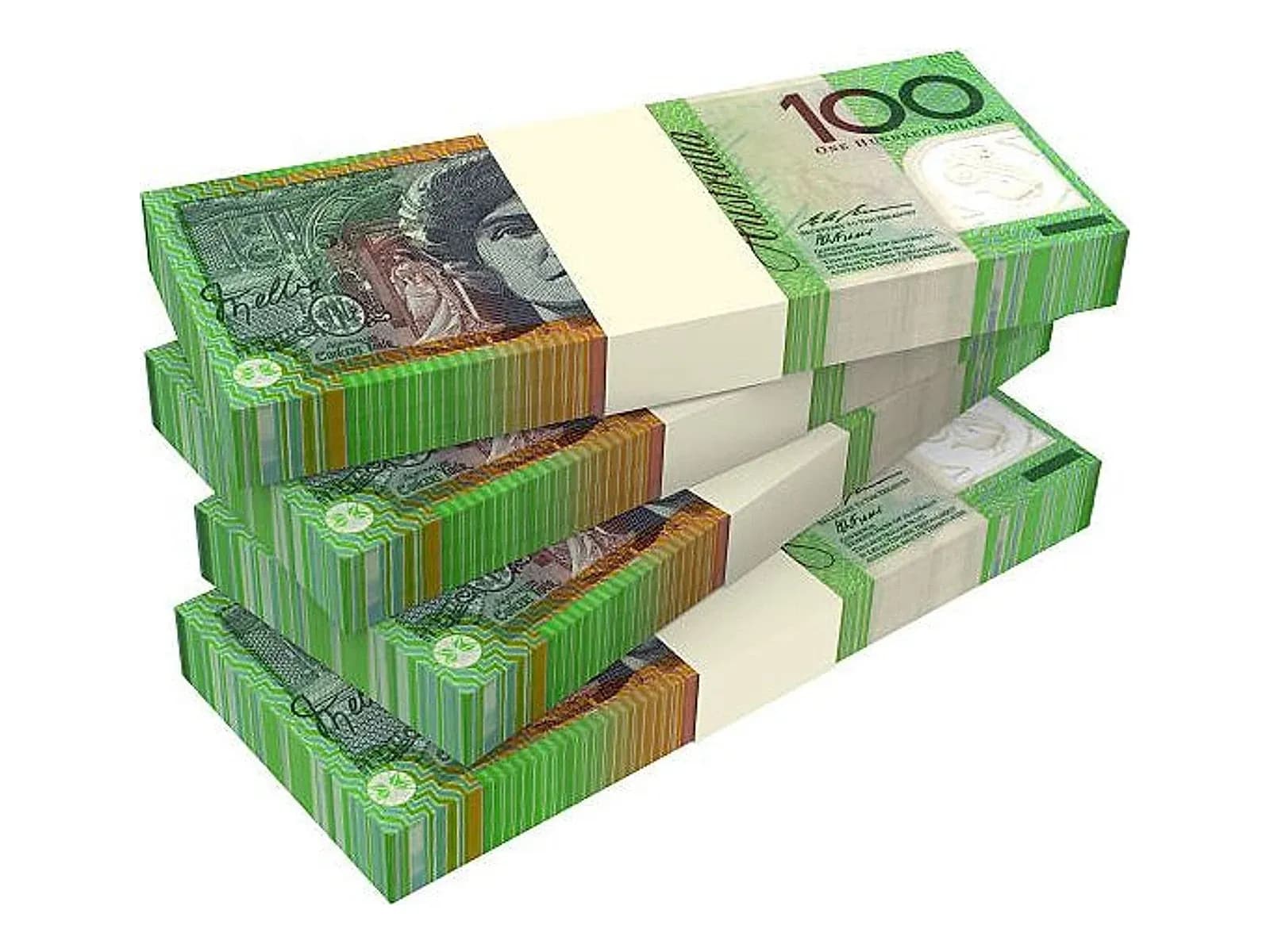
Old Australian banknotes are earlier note designs that have been replaced, and the Reserve Bank redeems all previously issued notes at face value. If you need the look of an older note for a film, play or photo, our vintage prop stacks are $79 for $20-style notes, $89 for $50-style and $109 for $100-style, each 100 reduced-scale notes marked NOT LEGAL TENDER.
Old Australian banknotes: what people are looking for
People who search for old Australian banknotes, old Australian bank notes, paper banknotes Australia or an old Australian 100 dollar note or an old 50 dollar note Australia, are usually in one of three groups. Some have found an old note and want to know what to do with it. Some collect and want to understand the series. And some are producers or artists who need the look of an older note for a period setting.
We are a prop supplier, so we cover the third group. We do not buy, sell or value genuine banknotes, and we cannot tell you what an old note is worth. For the first two groups, the official starting point is the Reserve Bank's banknotes site: banknotes Australia has a home at banknotes.rba.gov.au, and its page on collecting banknotes explains what the RBA does and does not do.
What the RBA says about old notes
According to the RBA's collecting page, the Reserve Bank redeems all previously issued Australian banknotes at face value, and most commercial banks will redeem old notes at face value too, though they are not required to. The RBA does not give opinions on the market value of old, rare or misprinted notes, and for an appraisal it points people to a reputable banknote and coin dealer, without endorsing any specific organisation.
Many people search for old Australian banknotes worth a premium, and the RBA's answer is that it does not give opinions on market value. That is useful, plain guidance. If you have an old note and just want its face value, the bank or the RBA is the place. If you think it may be a collectable, a dealer can advise. If you need a replica for a shoot, that is where a prop supplier comes in.
Paper banknotes in Australia and the move to polymer
Australian paper banknotes were replaced by polymer ones. According to the RBA Museum's pocket guide to the reinvention of banknotes, the commemorative $10 note released on 26 January 1988 was the first banknote printed on a polymer substrate, and it served as a limited-edition trial that proved successful. Testing suggested polymer notes would last longer, and that the longer life more than offset the higher production cost.
Australia then became the first nation to convert its paper-based currency to polymer, between 1992 and 1996, with the New Note Series, the first complete series of polymer banknotes. Today, Australian banknotes are all polymer, which is why searches for plastic banknotes Australia lead to ordinary current notes, while searches for paper banknotes in Australia lead to the older generation.
This history matters for props because the look of a note changes with its era. Paper notes of earlier decades have a different feel and design from the polymer notes in your wallet today, and a period production that shows modern notes in an older setting is the kind of continuity error that audiences and reviewers spot.
How the current series changed the look of Australian bank notes
Australian bank notes were redesigned in stages. The Reserve Bank released the new $50 on 18 October 2018 and the new $20 on 9 October 2019, and the new $100 followed on 29 October 2020. Each carried new portraits, a new layout and raised bumps along the long edges to help people who are blind or have low vision tell the denominations apart. Our guides to the 50 dollar note, the Australian 20 dollar note and the $100 note link to the RBA releases for each one.
For a production, this staging means different notes were in circulation in different years. A scene set in 2017 should not show a new-series $50, and a scene set in 2022 should not show a note that has been withdrawn. If your story is tied to a specific year, check which designs were in use then, and choose the stack that matches.
Older designs also differ in how they feel and age. Polymer notes keep their shape and colour longer than paper ones did, which is part of why Australia switched. A prop for a paper-era scene looks best slightly soft and worn, because paper notes crease and soften with use in a way polymer does not.
Dressing an older-era scene
The notes are only one part of the picture. A convincing period scene needs the right wallet, receipts, coins and wages envelope to go with them. Pay envelopes, folded bundles held with a rubber band and notes kept in a tin all suggest an earlier time. Avoid anything that looks too new: card readers, contactless symbols and modern price tags will undo the effect, however good the notes are.
Keep the cash simple. In most period scenes, a handful of notes in a wallet or a modest stack on a table says everything. Large, tidy stacks suggest wealth or crime, so reserve them for the story beats that need them. If the scene calls for a big bundle, use banded stacks and keep the top notes in the best condition.
Old notes or vintage props: how to decide
If you own genuine old notes, keep them safe, and ask the bank or the RBA about face value, or a dealer about collectability. If you need the look of older notes in front of a camera, use a prop, and never put genuine old notes at risk of damage on a set. A prop stack is far cheaper than a single careless mistake with a note that may have collectable value.
Vintage prop notes for period productions
Our vintage prop notes are styled on older Australian designs, not on the current polymer series. They are reduced-scale replicas, marked NOT LEGAL TENDER, and they are priced per note like the rest of our range.
| Vintage stack | Notes | Price | Price per note |
|---|---|---|---|
| Vintage $20 note stack | 100 | $79 | $0.79 |
| Vintage $50 note stack | 100 | $89 | $0.89 |
| Vintage $100 note stack | 100 | $109 | $1.09 |
They cost the same as the current-design stacks, so choosing the older look costs you nothing extra. Use them for period dramas, flashbacks, heritage sets, and characters who have kept cash for years. For a modern scene, use the standard stacks: see our guides to the $100 note, the 50 dollar note and the Australian 20 dollar note.
Our minimum order is $350 in goods. A vintage stack alone does not reach it, but combining two vintage stacks with a jumbo pack, or ordering a vintage stack alongside modern ones, does.
How to choose the right era for your scene
Start with the setting. A story set before the polymer series needs notes that look like paper-era currency, and a story set today needs the current look. If the scene is set across several eras, order both and keep them separate.
Then think about how the notes are handled. A character who pulls a crumpled note from a coat pocket suits a vintage stack that has been used a few times. A character who counts out a fresh payment suits a crisp stack. For a flashback, the contrast between the two looks can do some of the storytelling for you.
Finally, test under your lights. Hold a vintage note and a standard note side by side in front of the camera, and check the colours on a monitor. It takes five minutes and prevents an expensive reshoot.
Bank note, banknote, bill: the words people use
Australians say banknote, bank note or simply note, while people searching from overseas often say bill or paper money. All of them mean the same thing, and the Reserve Bank itself uses "banknote" on its banknotes site. If you are researching Australian bank notes in general, the RBA site is the authoritative place to start, and it covers the current series, the history and the rules for reproductions.
For props, the useful distinction is between era and denomination. Era tells you which design to use, and denomination tells you how much of the scene it fills. A period drama might need a few $20 notes in a wallet and a $100 bundle in a safe, and both should come from the same era, so they look as though they belong together.
Where to learn more
The Reserve Bank publishes a lot of free material about Australian banknotes, including the history of the notes, the design process and the rules for reproducing them. The RBA Museum has pocket guides and exhibitions that put the notes in context, and they are a good source of period detail if you need to brief an art department. If you want help choosing the right prop stack, our guides cover each denomination, and our prop money guide explains how the pricing works.
The reproduction rule still applies to old designs
Even when a note design is no longer issued, the Reserve Bank's rule for reproducing banknotes still applies to a replica. A physical reproduction must be smaller than three-quarters, or larger than one and a half times, the length and width of the genuine note, and printed on one side only. Read the RBA's page on reproducing banknotes for the full wording.
Our vintage notes follow the rule: reduced-scale, one-sided and marked as props. We never offer custom serial numbers, and we never describe a replica as genuine.
Buying vintage prop notes in Australia
We dispatch within one business day of confirmed payment, and tracked Australia Post delivery usually takes three to five business days, at no charge. If an order arrives damaged, misprinted or incorrect, contact us within 14 days of delivery for a replacement or refund, and returns by mail are free. Notes are printed to order, so change-of-mind refunds are not offered once an order has shipped.
Payment is by PayID/Osko, bank transfer via Osko or crypto with 10% off the goods subtotal, and details are sent after your order request is confirmed. For a fuller picture of how pricing works across the range, read our prop money guide, or browse the full vintage series notes range.
Prop notes are for film, theatre, education and novelty use only. They are reduced-scale, marked NOT LEGAL TENDER, and cannot be spent.
Related products
Vintage $100 Note Stack
$109.00100 notes$1.09 / note
4 × reaches the $350.00 minimum — or mix with other items
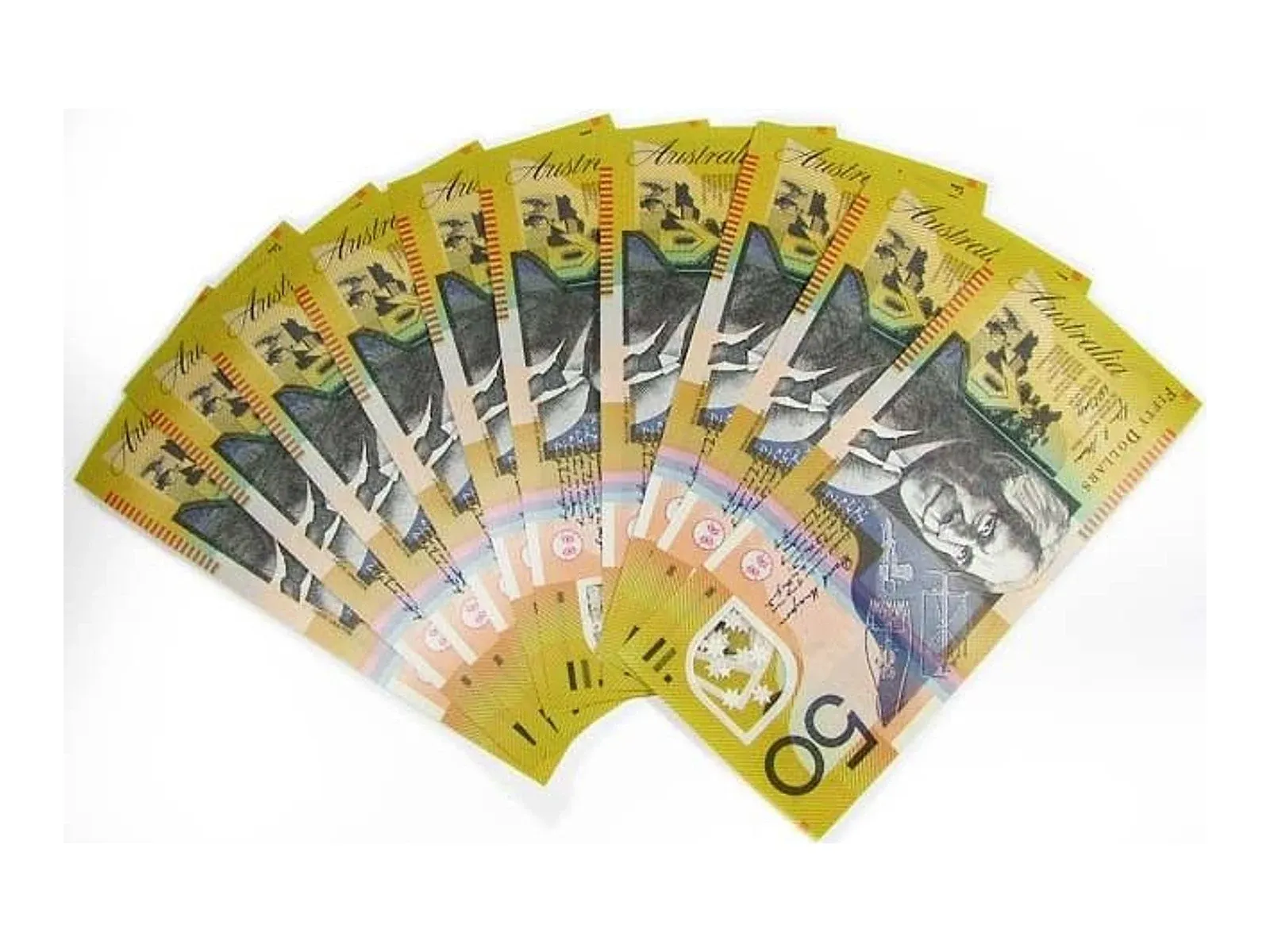
Vintage $50 Note Stack
$89.00100 notes$0.89 / note
4 × reaches the $350.00 minimum — or mix with other items
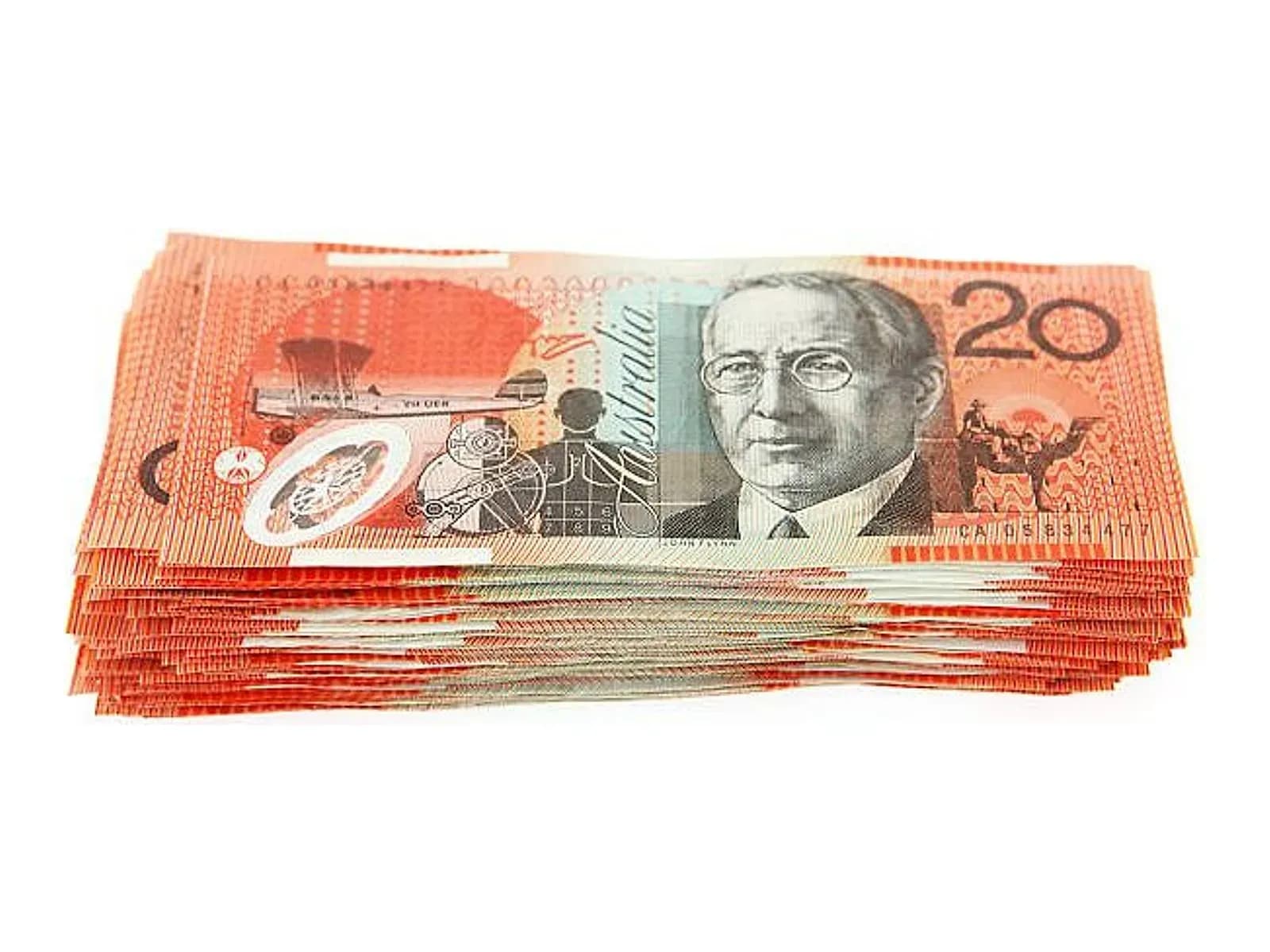
Vintage $20 Note Stack
$79.00100 notes$0.79 / note
5 × reaches the $350.00 minimum — or mix with other items
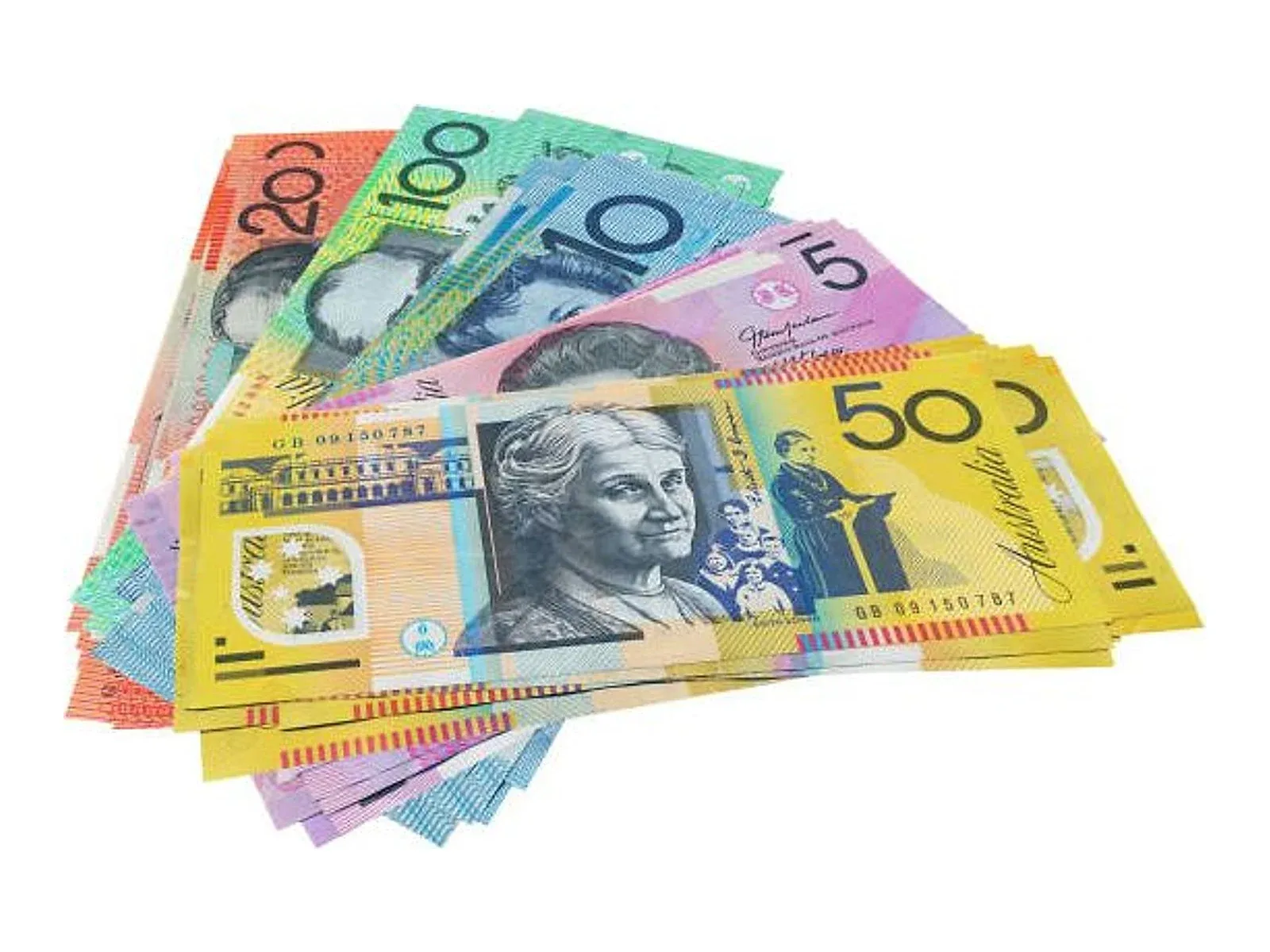
Mixed Denomination Starter Pack
$49.0056 notes$0.88 / note
8 × reaches the $350.00 minimum — or mix with other items
Frequently asked questions
What happens to old Australian banknotes?
The Reserve Bank redeems all previously issued Australian banknotes at face value, and most commercial banks redeem old notes too, although they are not required to. The RBA does not give opinions on the market value of old or rare notes.
Are Australian banknotes paper or polymer?
Today all Australian banknotes are polymer. The commemorative $10 note of 26 January 1988 was the first polymer banknote, and Australia converted its paper currency to polymer between 1992 and 1996, according to the RBA Museum.
Where can I get an old Australian banknote valued?
The RBA does not value old, rare or misprinted notes. It suggests a reputable banknote and coin dealer for an appraisal and does not endorse any specific organisation. We do not value genuine notes.
Do you sell vintage prop notes in Australia?
Yes. Our vintage stacks of 100 reduced-scale notes styled on older designs are $79 for $20-style, $89 for $50-style and $109 for $100-style. Every note is marked NOT LEGAL TENDER and ships free with tracking.
Are vintage prop notes legal to own?
Yes, when the replica follows the Reserve Bank rule: smaller than three-quarters or larger than one and a half times the genuine note, and printed on one side only. They must never be used to pay for anything.
Topics: australian banknotes · banknotes of australian dollar · australia banknotes · banknotes · aussie banknotes · plastic banknotes australia · aus banknotes · australian banknote · australian bank note · australian one dollar banknotes